
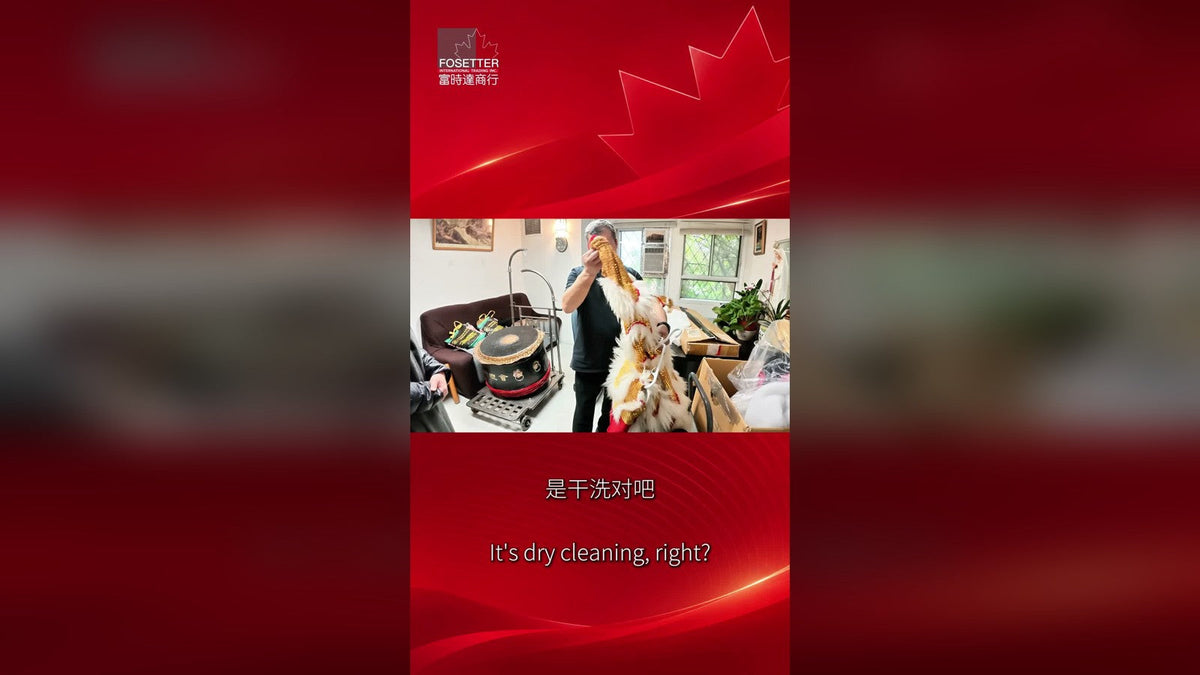
Every year I sponsor the lion dance at the Chinese Hospital, but I usually don't go myself — the master and my daughter Wendy go and represent the store.
A regular customer, now like family
He used to be a regular customer at our shop. At some point he started teaching Wendy lion dance, and she's changed so much since she picked it up.
I didn't find out until later that he has no children of his own. He treats his students like family. His team shows up at National Day, at the Chinese Hospital, at big and small events all over Chinatown — that's part of why I want to help him get this craft more attention.
What he told me after the lion dance
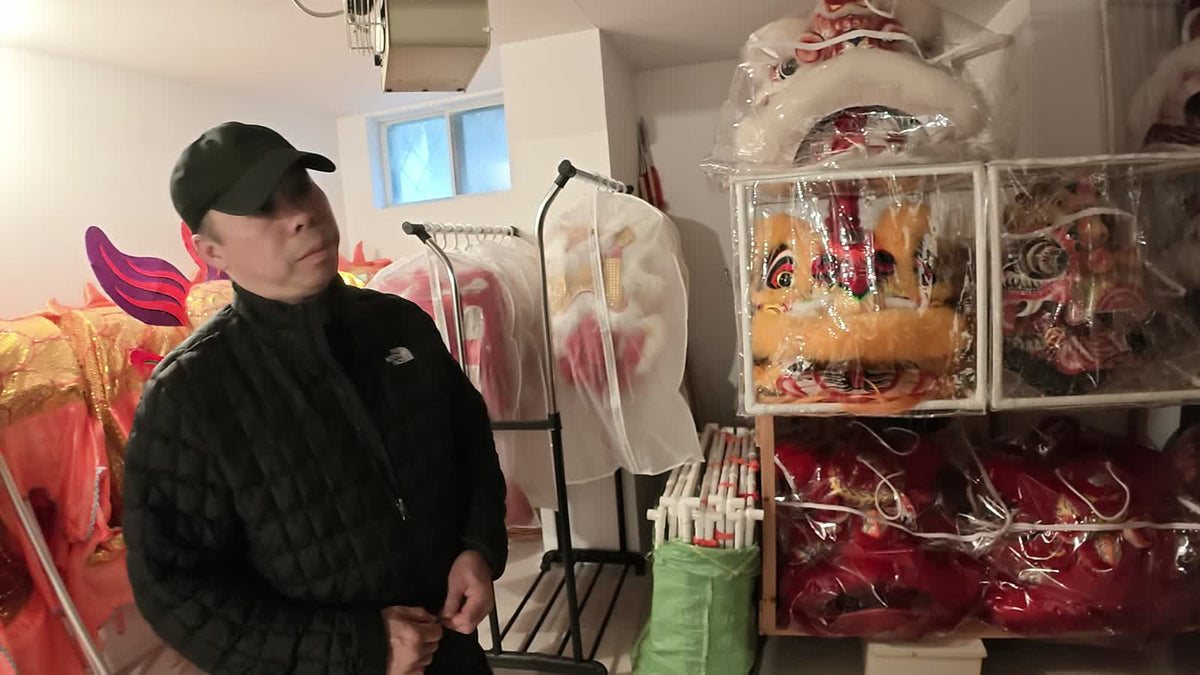
That day, right after the lion dance event, he told me something about the lion heads themselves. Cleaning the cape alone costs $80 a time, and that's the smallest part of the upkeep. A lion head is his own property — when it breaks, he fixes it himself. It isn't something you just go out and buy.
When a lion head finally wears out
Even with all that care, a lion head eventually reaches a point where it can't be used anymore. It doesn't get thrown away. It gets hung up as a memento — it stays with the same master from his debut all the way to now.
In some traditions, it's more formal than that. When a lion head is retired for good, in winter, by the sea, there's a specific ritual to send it off. He believes it carries a spirit of its own.
This is a part of the craft most people never see.

Leave a comment
This site is protected by hCaptcha and the hCaptcha Privacy Policy and Terms of Service apply.